
Zomato’s Confusing Voucher: A Case Study in User Experience Gone Wrong
As a Business Analyst and Product Manager, I’m always fascinated by how companies design their products and features. Recently, I had an experience with Zomato that left me questioning their user-centricity and decision-making process.
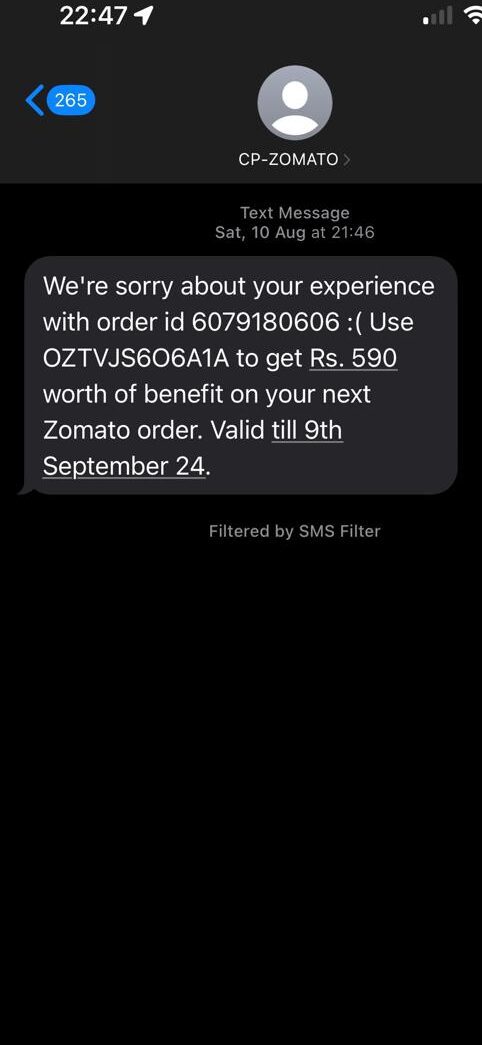
Here’s what happened. I ordered food, it arrived a mess, and Zomato, to their credit, offered me a ₹590 voucher as an apology. Great, right? Well, not quite.
Like many regular Zomato users, I’m accustomed to clicking through various offers and discounts during checkout. It’s become second nature. So, when I placed my next order, I unknowingly applied a ₹160 discount without realizing it was part of my ₹590 voucher.
Days later, I tried to use the full voucher and was surprised to find it partially redeemed. Zomato’s chatbot confirmed the ₹160 deduction. While the bot was efficient, it couldn’t address the core issue: the lack of clarity surrounding the voucher’s usage.
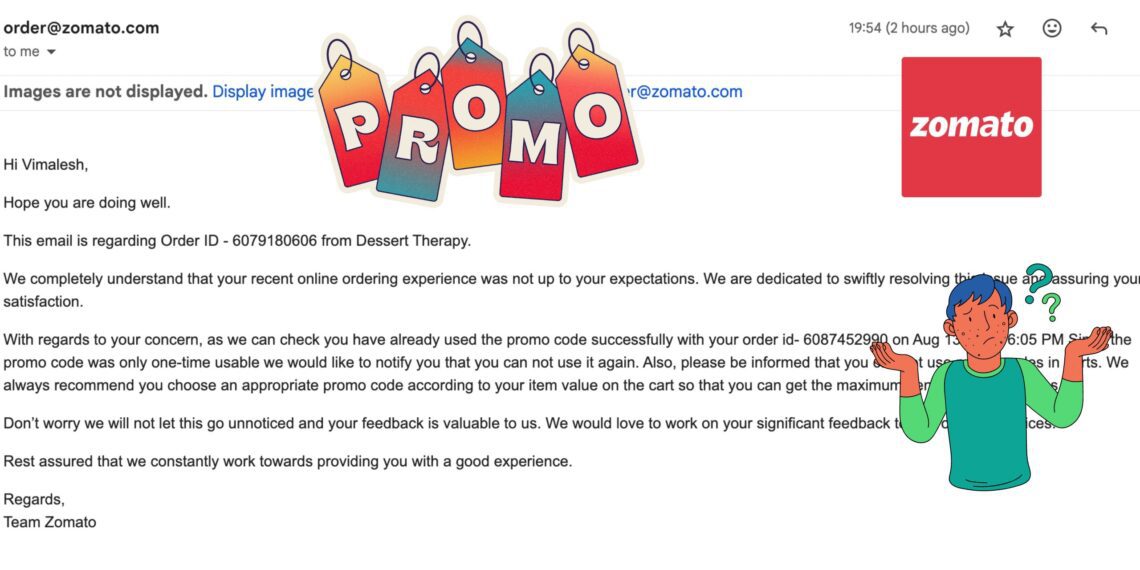
I emailed customer service, but their response was the typical “we’re sorry” spiel.

It left me wondering: did the product team consider the user experience when designing this voucher system? Or was it intentionally designed to confuse customers and lead to unredeemed value?
The switch from the previous Zomato credit system to these new vouchers is particularly jarring. Zomato credits were simple, flexible, and could be used in any amount. This new system, with its hidden deductions and confusing rules, feels like a step backward in user experience.
At the very least, the SMS should have clearly stated it was a one-time-use voucher. The ambiguity surrounding the voucher is especially problematic for frequent users who are used to the flexibility of Zomato credits.
For Product Managers and Business Analysts, this incident highlights a few key takeaways:
- User Understanding is Paramount: Before launching any feature, thoroughly understand your users’ behaviors and expectations. In this case, Zomato failed to account for the habits of regular users who are accustomed to multiple discounts during checkout.
- Clarity is King: Communication should be crystal clear. Ambiguity leads to confusion and frustration. The voucher’s terms of use should have been explicitly stated in the SMS itself.
- Don’t Punish Loyal Customers: Frequent users are the backbone of any platform. Features should be designed to enhance their experience, not create unnecessary hurdles or lead to them feeling cheated.
In the end, I lost ₹430. But more importantly, this incident left a sour taste in my mouth. It’s a clear example of a feature that needs a serious rethink.
To Zomato and other product teams: please remember that your customers are not just numbers. They are real people with real expectations. Design products that make their lives easier, not more complicated.


You May Also Like

Why Product Managers Need to “Unlearn” Marketing (A Lesson from European Data Privacy)

The 90% Dilemma: Navigating Product Prioritization with the Pareto Principle
